About DIN Standard Surface Plate
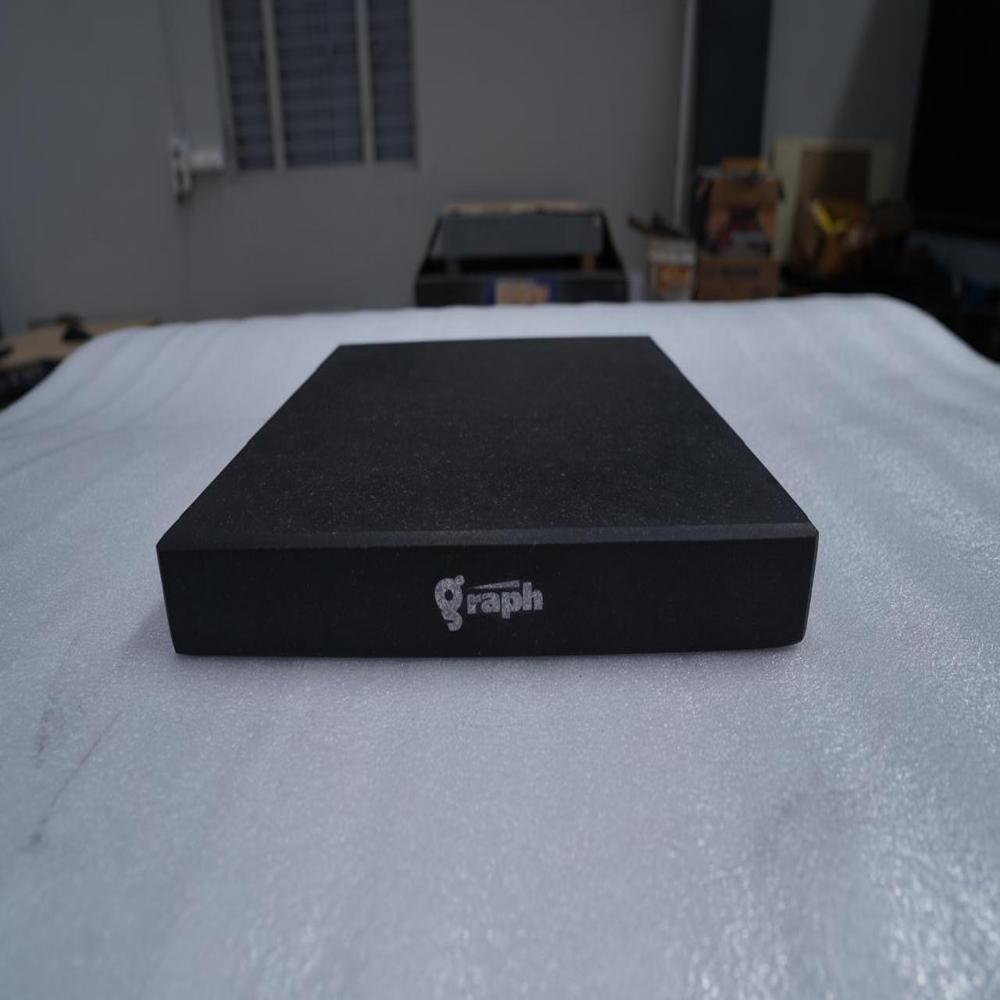
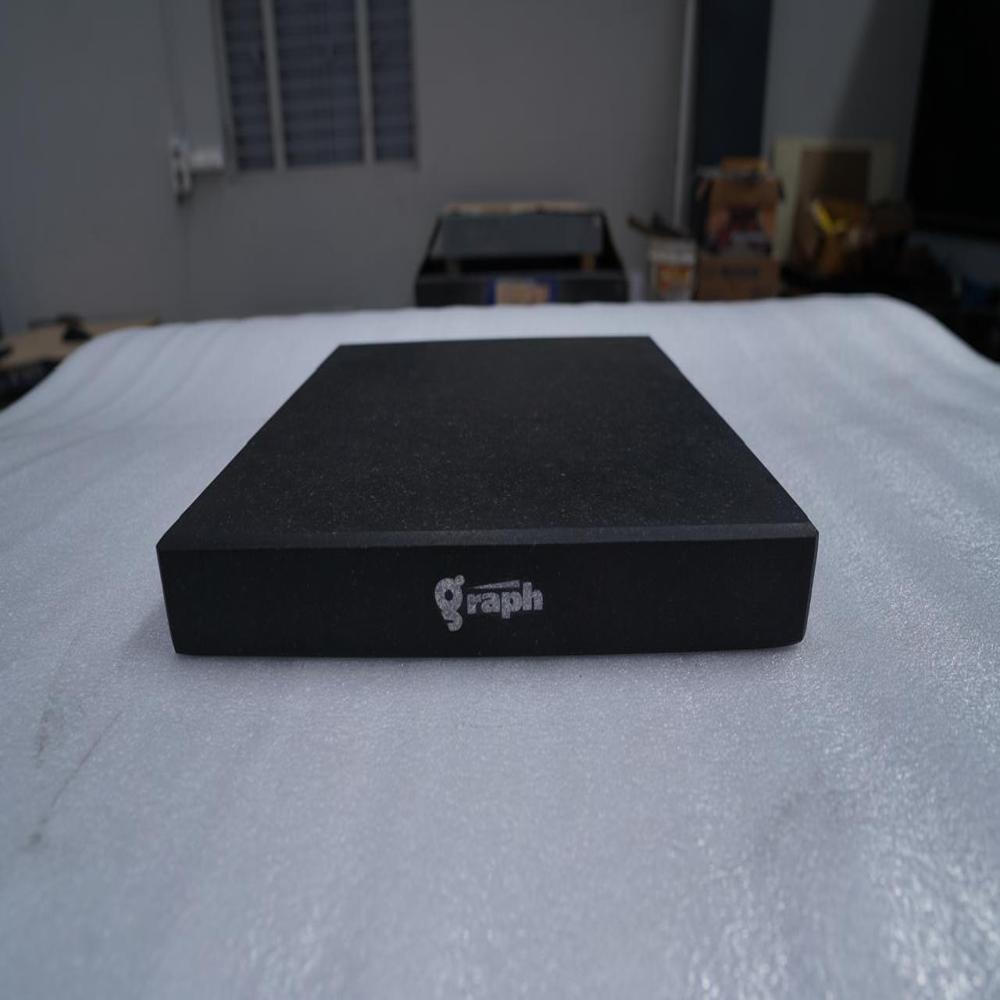
Constructed from high-quality granite, often black granite granite, chosen for its hardness, density, and stability.Provides an extremely flat and stable reference surface essential for precision measurements and inspections.Technical Details
FAQs of Surface Plate Granite:
Q: What material is the Surface Plate Granite made of?
A: The Surface Plate Granite is made of high-quality granite.
Q: What is the weight of the Surface Plate Granite?
A: The Surface Plate Granite weighs 120 kilograms (kg).
Q: What is the application of the Surface Plate Granite?
A: The Surface Plate Granite is designed for laboratory use.
Q: What type of hardness does the Surface Plate Granite have?
A: The Surface Plate Granite is categorized as hard.
Q: What is the color of the Surface Plate Granite?
A: The Surface Plate Granite comes in a blue color.
Q: Is the Surface Plate Granite suitable for industrial usage?
A: Yes, the Surface Plate Granite is designed for industrial usage.
Q: What is the machine weight for this product?
A: The machine weight for the Surface Plate Granite is 250 kilograms (kg).
Exceptional Flatness and StabilityThe Granite Surface Plate provides unparalleled flatness tolerance, conforming to Grade 0, Grade 1, Grade 2, or Grade 3 as per IS 7327:2003 and DIN 876 standards. Its high density and low thermal expansion maintain consistent accuracy, even under varying ambient temperatures and humidity, making it ideal for high-precision metrology and quality control environments.
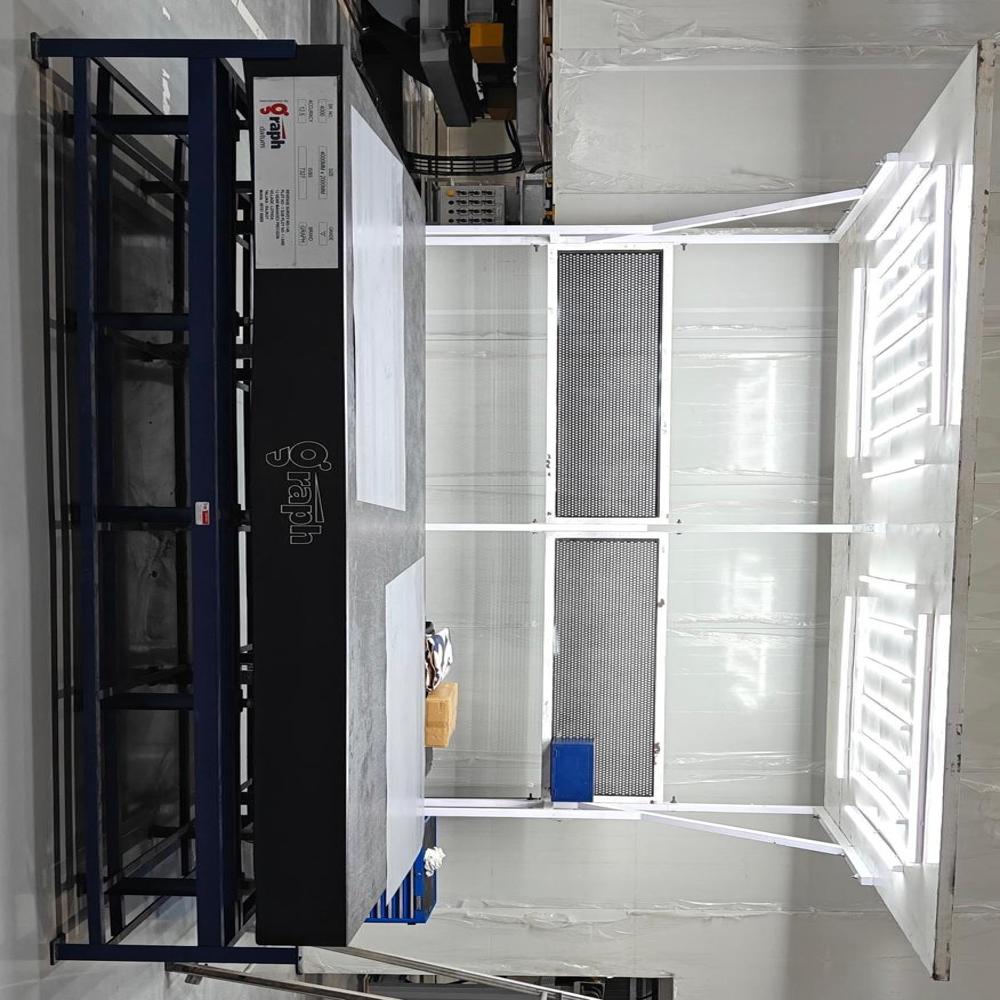
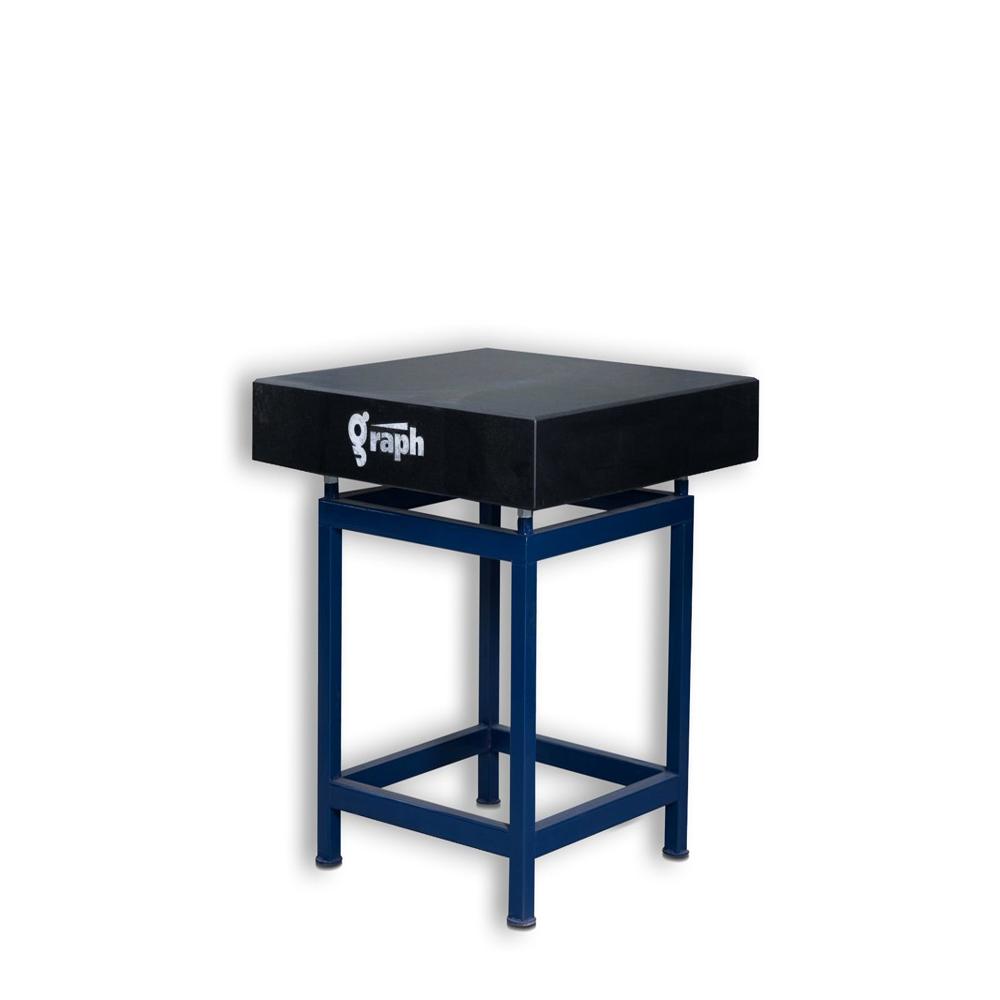
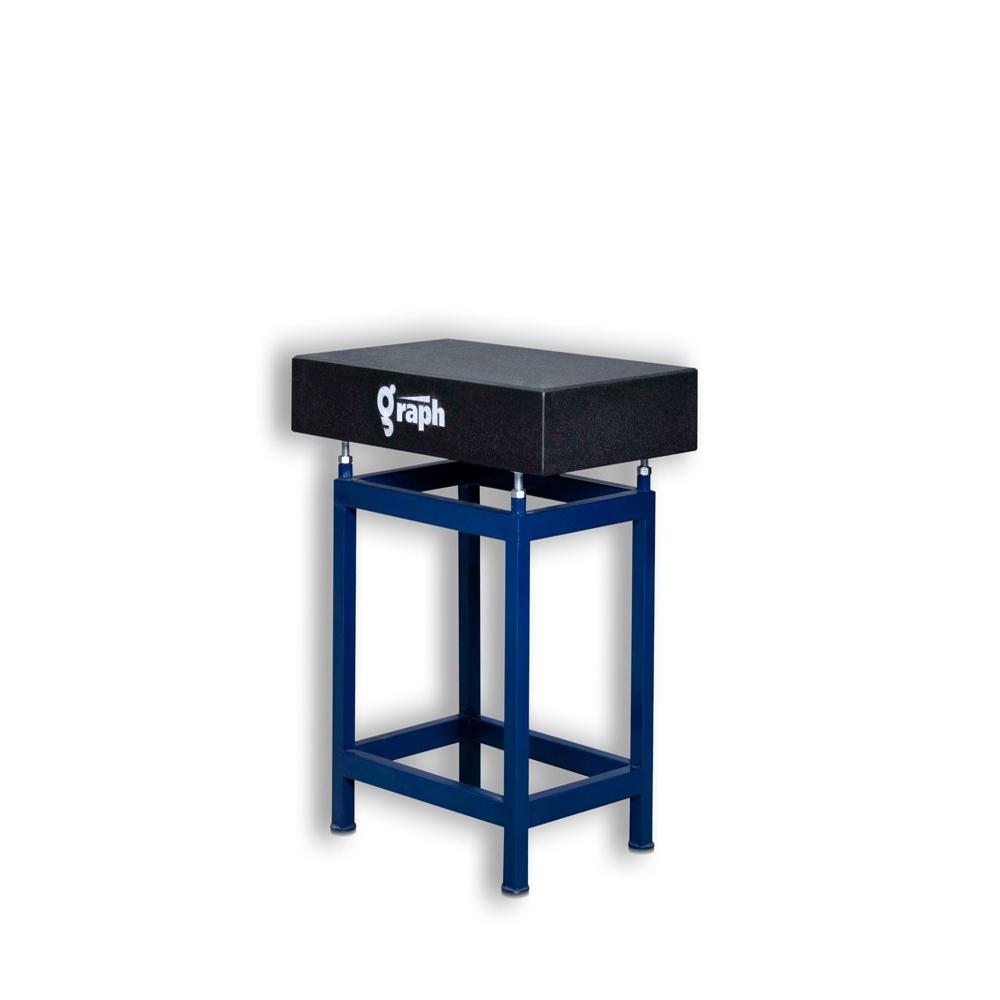
Versatile Applications and CustomizationAvailable in measuring sizes from 200 mm x 300 mm up to 2000 mm x 3000 mm, with custom options, this surface plate is perfect for precision inspection, layout, and tool making. Its high load-bearing capacity and robust rigidity support a wide range of industrial needs, with optional accessories like steel stands, leveling bolts, and protective covers for tailored setups.
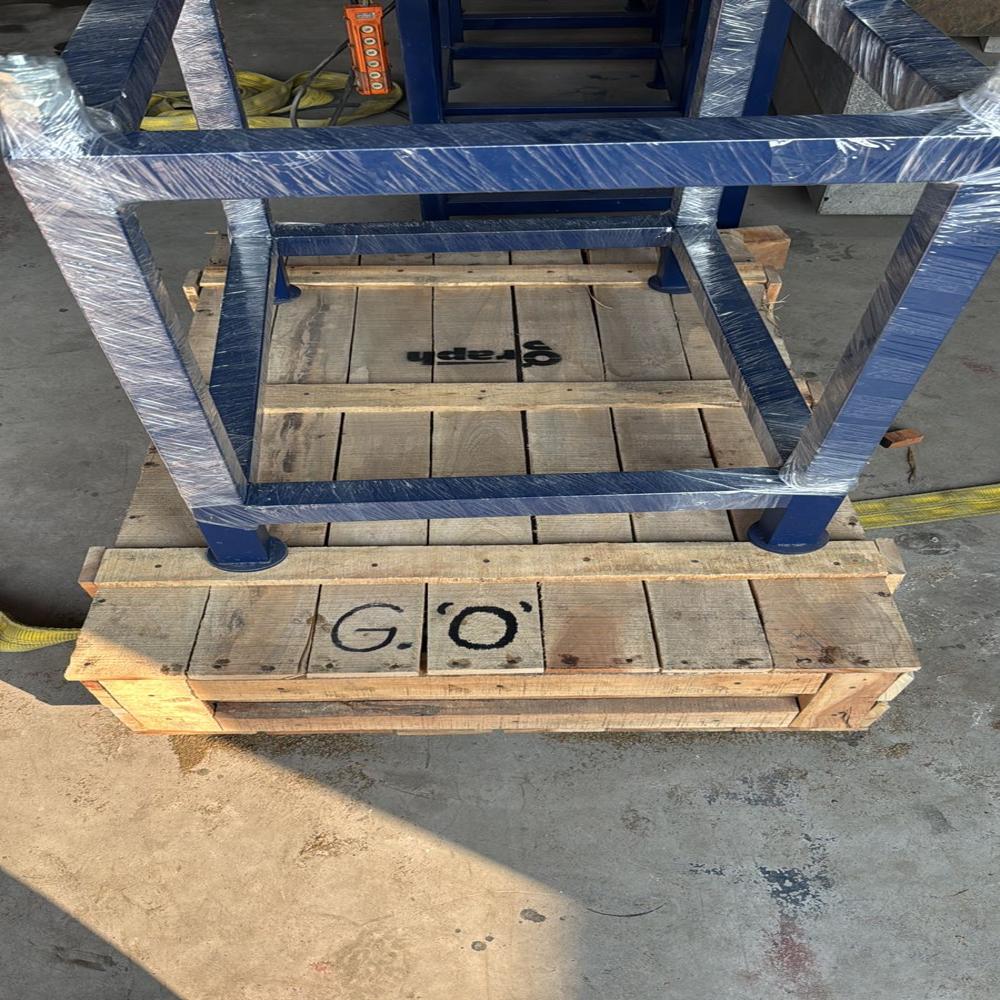
Built for Durability and Ease of UseManufactured from non-corrosive black granite with chamfered edges and Mohs hardness of 6-7, the plate resists wear and environmental damage. It's easy to mount on stands, benches, or pedestals, and versatile for manual measurements requiring high-resolution instruments. Packed securely in wooden crates, it ensures longevity and safe transport.
FAQ's of Granite Surface Plate:
Q: How is the flatness of the Granite Surface Plate maintained over time?
A: The plate is made from high-density black granite, which resists wear and minimizes thermal expansion (6 x 10⁶/C). Proper chamfered edges and rigid structure ensure the surface remains exceptionally flat, while periodic calibration assures conformity to Grade 0 or relevant standards.
Q: What is the standard process for using a granite surface plate for inspection?
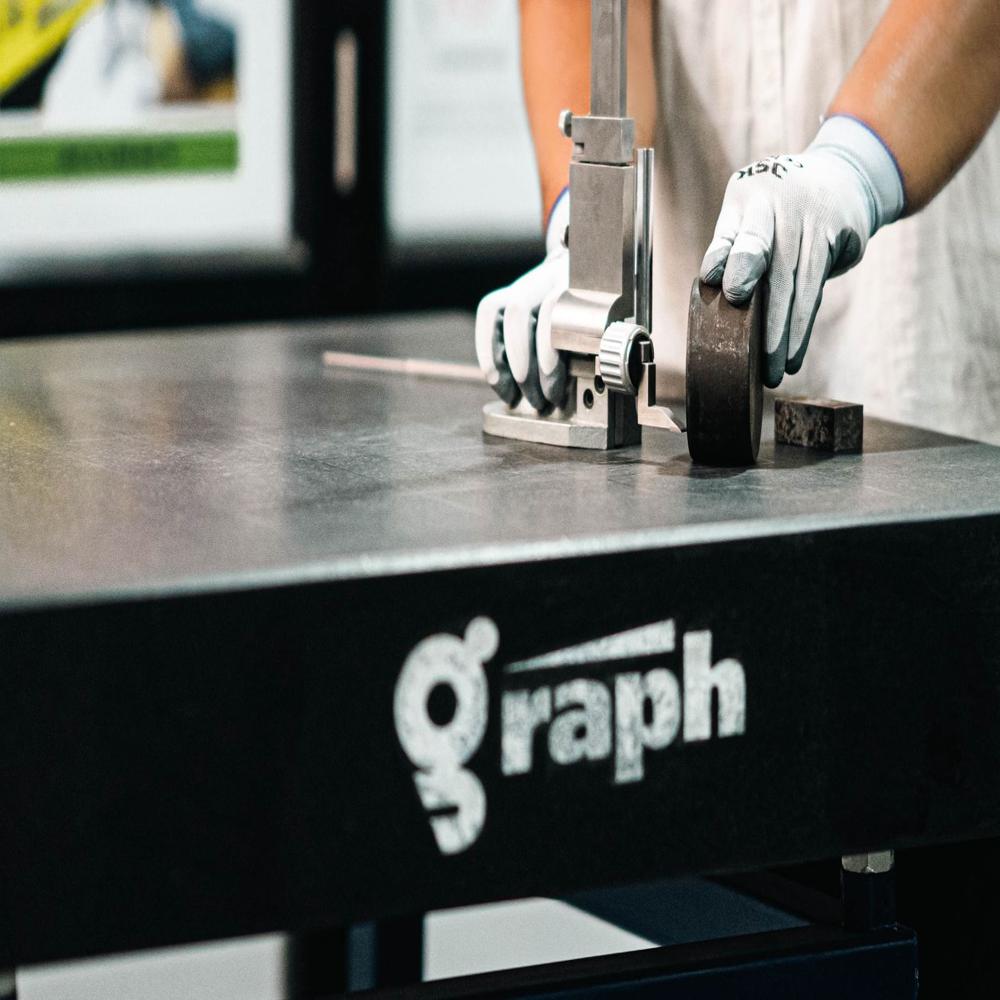
A: Place the plate on a stable surface or use optional steel stands/leveling bolts. Clean the surface and use precision measuring instruments such as dial indicators or height gauges. Regularly check for contaminants or damage to maintain measurement accuracy.
Q: When should I choose a granite surface plate over a cast iron alternative?
A: Granite is non-magnetic, highly wear-resistant, non-corrosive, and provides extra-fine smooth surfaces. It's ideal for environments where magnetic interference or rust could affect accuracy, and where high flatness stability is required for long-term precision measurements.
Q: Where can the granite surface plate be installed for optimal performance?
A: Install the plate in a temperature- and humidity-controlled environment, such as a standard room or metrology laboratory. Position it on stands, benches, or a pedestal to minimize vibrations and ensure stable, precise measurement results.
Q: What accessories are available with the granite surface plate?
A: Optional accessories include robust steel stands, leveling bolts for precise height adjustment, and protective covers to shield against dust and scratches. These help maintain the plate's accuracy and durability across various workspaces.
Q: How does the surface plate benefit precision inspection and tool making?
A: Its high flatness tolerance, non-magnetic properties, and resistance to environmental factors ensure reliable, repeatable measurement references. This boosts productivity, reduces errors, and improves quality control for inspection, layout, and tool making applications.
Precision Engineering for Critical ApplicationsComplying with DIN 876 standards, our surface plates ensure exceptional flatness and accuracy, essential for inspection, layout, and precision measurement. Choose between sturdy cast iron or stable granite based on your environment. Each plate undergoes hand-scraping or lapping, delivering a reliable surface for metrology, tool room, and laboratory use. Optional accessories and edge chamfering offer convenience and adaptability.
Durability Built to LastThe cast iron plates feature a hardness of 70-85 HRA, while granite options provide natural wear resistance and long-term dimensional stability. Their corrosion-resistant construction minimizes maintenance effort. All plates come supported on leveling screws or stands, with optional T-slots for added versatility. Proper care ensures years of dependable service in demanding industrial or research settings.
FAQ's of DIN Standard Surface Plate:
Q: What is the flatness tolerance for DIN Standard Surface Plates?
A: The flatness tolerance varies by grade. Grade 0 plates have an impressive flatness tolerance of up to 0.002 mm/m, making them ideal for laboratory precision and calibration work. Grades 1 and 2 offer suitable tolerances for inspection and workshop use.
Q: How should I maintain a cast iron or granite surface plate to ensure longevity?
A: Routine cleaning with a lint-free cloth and non-abrasive cleaner is recommended. For cast iron, apply rust preventive oil to guard against corrosion. Granite plates require less frequent maintenance but should be kept free from abrasive particles and wiped dry to avoid moisture damage.
Q: When should I choose a granite plate over a cast iron plate?
A: Granite plates are preferred in environments where thermal stability, corrosion resistance, and non-magnetic properties are crucial. They are ideal for laboratories and areas with fluctuating temperatures or high humidity, as granite is less affected by these factors than cast iron.
Q: Where are DIN Standard Surface Plates typically used?
A: These plates are commonly found in metrology labs, tool rooms, inspection departments, and workshops. Their flat, stable surface provides a reference standard for measuring, layout, calibration, and precision checking tasks.
Q: What grade should I select for my application?
A: Select Grade 0 for laboratory calibration and highest precision, Grade 1 for inspection duties, and Grade 2 for general workshop layout. The choice depends on the accuracy requirements of your measurement or inspection process.
Q: How do leveling screws and stands contribute to surface plate usage?
A: Leveling screws and stands provide stable support and enable precise adjustment for optimal flatness alignment of the surface plate. This is essential to ensure measurement accuracy and repeatability in use.
Q: What are the benefits of a hand-scraped versus a lapped surface finish?
A: Hand-scraped finishes are known for their excellent oil retention and micro-resilience, making them suitable for certain inspection tasks. Lapped finishes provide ultra-smooth surfaces, ideal for high-precision measurement and calibration applications where minimum surface irregularity is required.








 Send Inquiry


 Send Inquiry